

MANILA – A campaign funded by the United Nations Children’s Fund (UNICEF) was recognized by the Public Relations Society of the Philippines (PRSP) as one of the best communication programs of 2016.
Communication for Development (C4D) campaign on Water, Sanitation and Hygiene (WASH) was recognized as one of the best communication programs in 2016 by the Public Relations Society of the Philippines (PRSP).
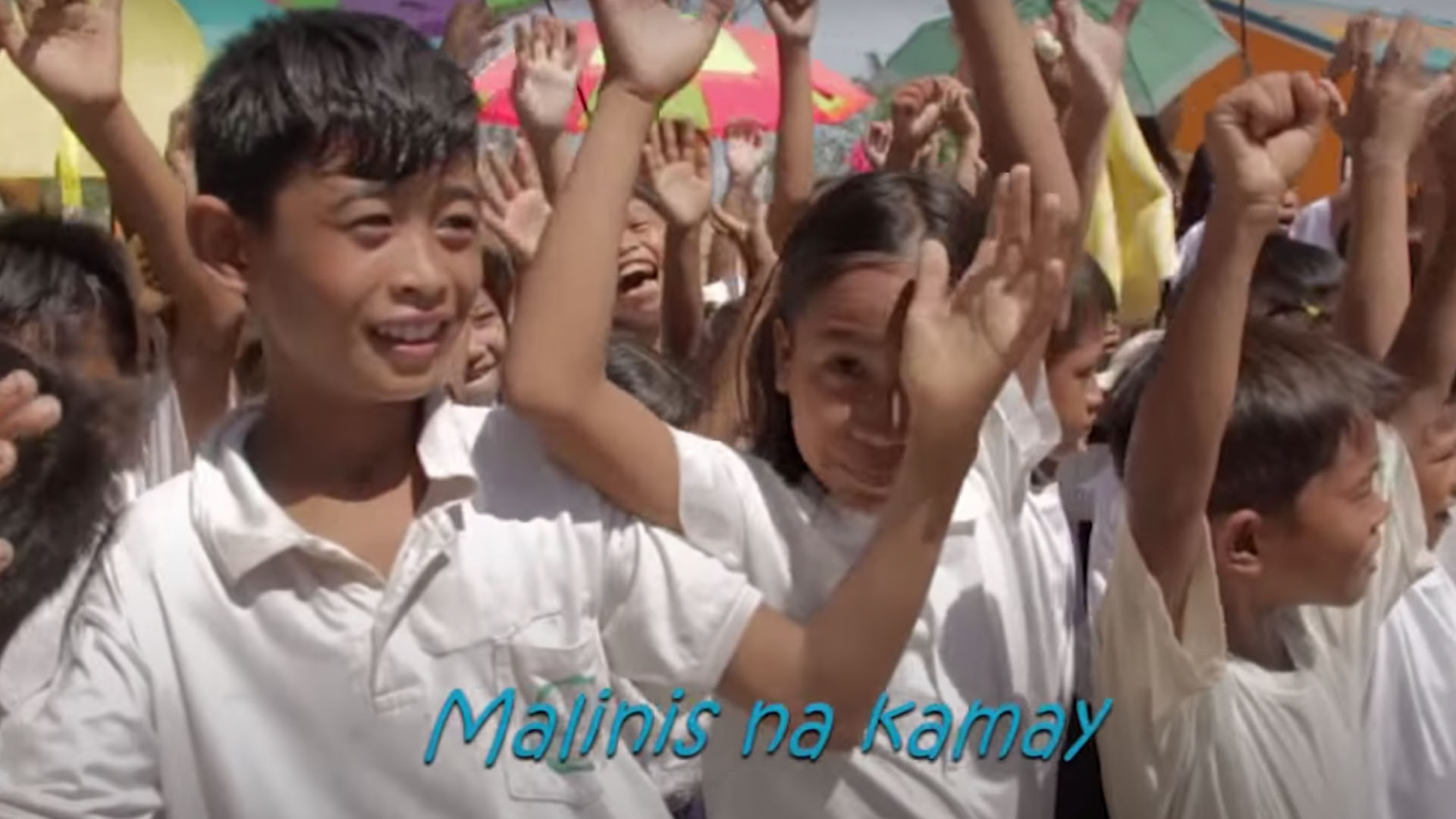
Dubbed “Goodbye, Dumi! Hello, Healthy,” the Communication for Development (C4D) campaign on Water, Sanitation and Hygiene (WASH) campaign won two Gold Awards and two Silver Awards at the 52nd Anvil Awards.
The campaign was implemented in Masbate, in support of the Phased Approach to Total Sanitation (PhATS) strategy and the National Sustainable Sanitation Plan (NSSP) of the Department of Health (DOH).
The campaign has helped increase the number of households with sanitary toilets in 20 barangays from 38 percent to 85 percent in a span of just six months since the program was implemented in October 2015.
Of the 20 villages, 2 have been declared Zero Open Defecation (ZOD) villages, where the practice of open defecation has been eliminated.
Since its kick-off in October 2015, the campaign has helped increase the access of households to sanitary toilets in 20 barangays from 38% to 85% in a span of six months only. Twelve of these 20 villages have been declared as Zero Open Defecation (ZOD) villages, where the practice of open defecation has now been eliminated.
A local non-government organization, the Center for Health Solutions and Innovations Philippines, Inc. (CHSI), designed and implemented the campaign in the municipalities of Aroroy, Cawayan, and Milagros.
UNICEF Representative Lotta Sylwander received the awards, together with CHSI and PageOne, a public relations agency that has helped in bringing the messages of the campaign online and in the print media.
“These Awards are a testament to the innovative work that UNICEF is undertaking with our partners for Filipino children,” Sylwander said.
“Communication for Development campaigns such as Goodbye Dumi help us to engage with children and their families and communities in ways that enable them to make informed decisions on issues that affect their lives. All children should grow up in a clean and healthy environment, and this campaign empowers communities to ensure this happens through the promotion of good sanitation and hygiene behaviors.”
“Goodbye, Dumi” won two Gold Anvil trophies for excellence in the use of communication tools, namely a community theater performed by local children and a health class module facilitated by barangay health workers.
Two Silver Awards were conferred on the campaign for its implementation in host communities and for its sustained programming.
“Goodbye, Dumi” is currently being rolled out in the provinces of Albay, Eastern Samar, Capiz, Northern Samar, North Cotabato, and Sultan Kudarat.
In April 2017, the Department of Health (DOH) will draft an administrative Order to jump start the launching of “Goodbye, Dumi” as one of its official health communication campaigns that support its Zero Open Defecation Program.
Source: www.news.abs-cbn.com