

In the rapidly evolving landscape of digital publishing, where algorithms, automation, and artificial intelligence are reshaping the way content is created and distributed, a pertinent question arises: Do we still need humans in the publishing department? While technological advancements have undoubtedly streamlined processes and opened new avenues for content delivery, the indispensable role of human expertise and creativity remains a cornerstone of the publishing world. This is particularly evident in the unique context of the Philippines’ digital landscape, where cultural nuances and local insights necessitate human involvement to ensure meaningful connections and authentic engagement.
Does It Really Matter What People Do Anymore?

Amidst the surge of AI-driven content generators and algorithmic recommendations, one fundamental aspect remains irreplaceable: the ability of humans to connect on a deeply emotional level. The essence of publishing lies not just in the conveyance of information but also in the establishment of a rapport with readers. Human writers possess the capacity to infuse their work with empathy, understanding, and a nuanced perspective that resonates with diverse audiences.
In the Philippines, a country rich in cultural diversity and heritage, this human touch becomes even more crucial. The Filipino digital landscape is marked by a strong sense of community and shared experiences. By incorporating local context, idioms, and cultural references, human writers bridge the gap between content and readers, fostering a sense of belonging that algorithms simply cannot replicate.
What Takes Place When Content Driven By AI Is Published?
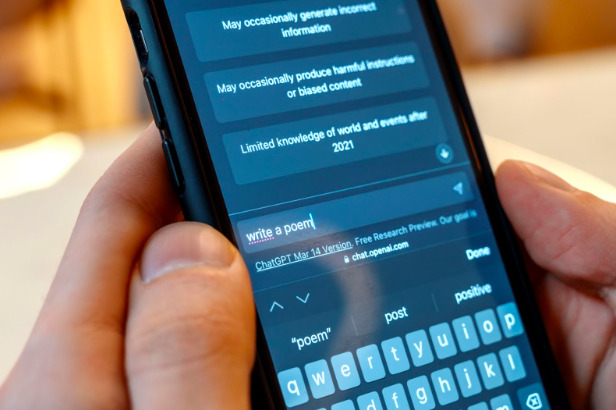
The content published by AI is simply not sensitive to cultural disparities. A deep understanding of one’s culture is paramount when crafting content for a diverse audience. The Philippines, with its myriad languages, traditions, and regional disparities, presents a complex tapestry that demands a deep appreciation for local intricacies. Human content creators possess the acumen to navigate these nuances, ensuring that messages are communicated in a way that is respectful and relevant to the intended audience.
Consider the celebration of festivals like Sinulog in Cebu or the Pahiyas Festival in Lucban. These events hold profound cultural significance for specific communities, and capturing their essence requires a level of understanding that transcends algorithms. Human writers can delve into the history, emotions, and significance attached to these celebrations, weaving narratives that encapsulate the spirit of the occasion.
Therefore, Human Writers Are Still Just Irreplaceable.

Authenticity has emerged as a central tenet in modern content creation. Audiences are increasingly drawn to content that reflects genuine experiences and perspectives. Humans, with their capacity for introspection and vulnerability, are uniquely positioned to infuse content with authenticity. This is especially relevant in the Philippines, where authenticity is highly valued and audiences seek content that reflects their lived realities.
Whether it’s a heartfelt personal essay, a thought-provoking commentary on societal issues, or a reflective piece on cultural heritage, human writers can create content that strikes a chord with readers on a deeply personal level. The emotional resonance of such content fosters a more profound connection, leading to increased engagement and meaningful interactions.
As new platforms, trends, and technologies emerge, human adaptability becomes a critical asset. Human content creators play a pivotal role in adapting content strategies to suit shifting preferences. They can identify emerging trends, engage in real-time conversations, and pivot strategies to capitalize on opportunities for engagement.
Should AI And Humans Compete?

Rather than viewing technology and human expertise as adversaries, the future of publishing lies in harnessing their complementary strengths. Automation and algorithms excel at data analysis, pattern recognition, and content distribution, while humans bring creativity, empathy, cultural understanding, and adaptability to the table. The synergy between these elements results in content that not only informs but also inspires, challenges, and resonates with readers.
In the context of the Philippines’ digital landscape, this harmonious collaboration between technology and human insight is even more pronounced. While technology can assist in analyzing data and optimizing content delivery, human writers possess the ability to infuse stories with the heart and soul of Filipino culture.
The Role Of Humans In The Publishing Department Remains Indispensable.

Even in a time when technology dominates all other forms of knowledge, the intricacies of culture, the strength of emotional connection, and the authenticity of interaction still all underscore the worth of human content creators. As we navigate the ever-changing terrain of digital publishing, let us remember that technology may enhance efficiency, but it is human creativity, empathy, and understanding that breathe life into content, forging enduring connections with readers in ways that algorithms could never replicate.