
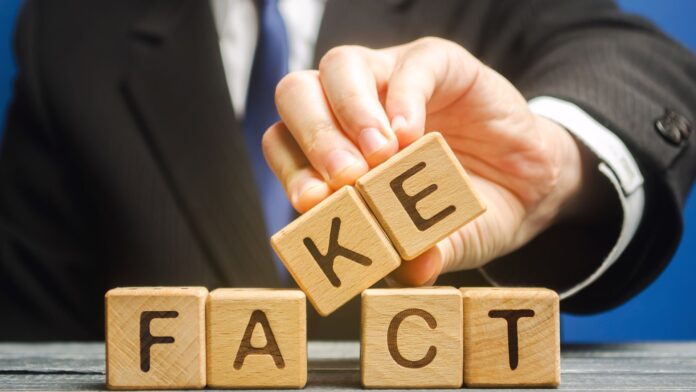
With the proliferation of social media accounts and online platforms that generate an enormous amount of information, some issues and problems are bound to happen. Sifting through the heaps of available information jostling for everyone’s attention has become more difficult and, at times, problematic. Which ones are true? false? garbage? Inappropriate?
And Filipinos are in front and center of this dilemma. In fact, some scholars point to the fact that the Philippines is patient zero for disinformation, due to information being peddled on digital platforms that remain unchecked.
Given the cackle of information garbage, the need to stand out is a daunting task. Hence, PR professionals are almost in a bind. They are confronted with a barrage of claims that could be detrimental to the brands they promote. Moreover, they have to contend with a horde of information peddlers who may not be as honest or are paid to be dishonest to just throw mud at competing brands.
Suppose a given information peddler has the intent of ruining the reputation and image of a brand or business. They can easily provide false information about the brand or business, which, when clothed with some amount of truth and coated with some fun elements, gets the attention of consumers. How will the PR professional now contend with this unethical, even misleading information?
In an era where verification is not done properly or is not performed at all, the task of PR is quite difficult. Especially today, where most audiences are more inclined to read attention-grabbing information or engaging “scoops” rather than verified information coming from legitimate sources, PR needs to do more than issue a press release.
Today, more than ever, public relations plays a big role in addressing this ethical dilemma. The public relations team has the most important role in solving disinformation and arresting false statements to help promote the true essence of the brands and companies they work with.
Therefore, it remains imperative for public relations to uphold ethical standards when managing this issue, given the broad spectrum of audiences on online media platforms, where a single misstep could escalate into significant repercussions for a business.
Public relations practitioners should remember their ethics when implementing their campaigns. Being ethical has become imperative to showing accuracy, fairness, and integrity in PR campaigns.
Public relations professionals must provide ways to provide correct and reliable information for their audiences. This not only helps companies eliminate possible confusion about the brands but also promotes the right and most appropriate information that should enable consumers to decide.
Thus, ethics is at the center of how this public relations firm, COMS360, does its work with its clients. A multi-awarded agency, COMS360, can help a brand or business build trust and loyalty towards the brand it represents. Driven by data and armed with an excellent work ethic, COMS360 can help manage any brand and/or company’s brand communications, advocacy development, and social marketing initiatives to help fulfill business objectives.